On a clear, sunny day deep in the forests of the Rockies, shouts of “Hey bear!” echo, bouncing off the trunks of tall evergreen trees swaying in a slight breeze. These shouts emanate from hikers, who, conscious of the fact that they are moving through grizzly country, take precautions to avoid a surprise encounter with these formidable bears. As the human population grows, bears are more likely to cross paths with people.
Grizzly bears are protected as a Threatened species under the Endangered Species Act after mortality from hunting, trapping, poisoning, and habitat fragmentation in the 19th and early 20th century, leading to extinction of certain populations. They used to range continuously from Alaska through western Canada, west to the Pacific Coast, east through the Great Plains, and south into central Mexico. They now survive within about 6 percent of their historical range, with populations in the lower 48 states primarily found within Montana, Wyoming, Idaho.
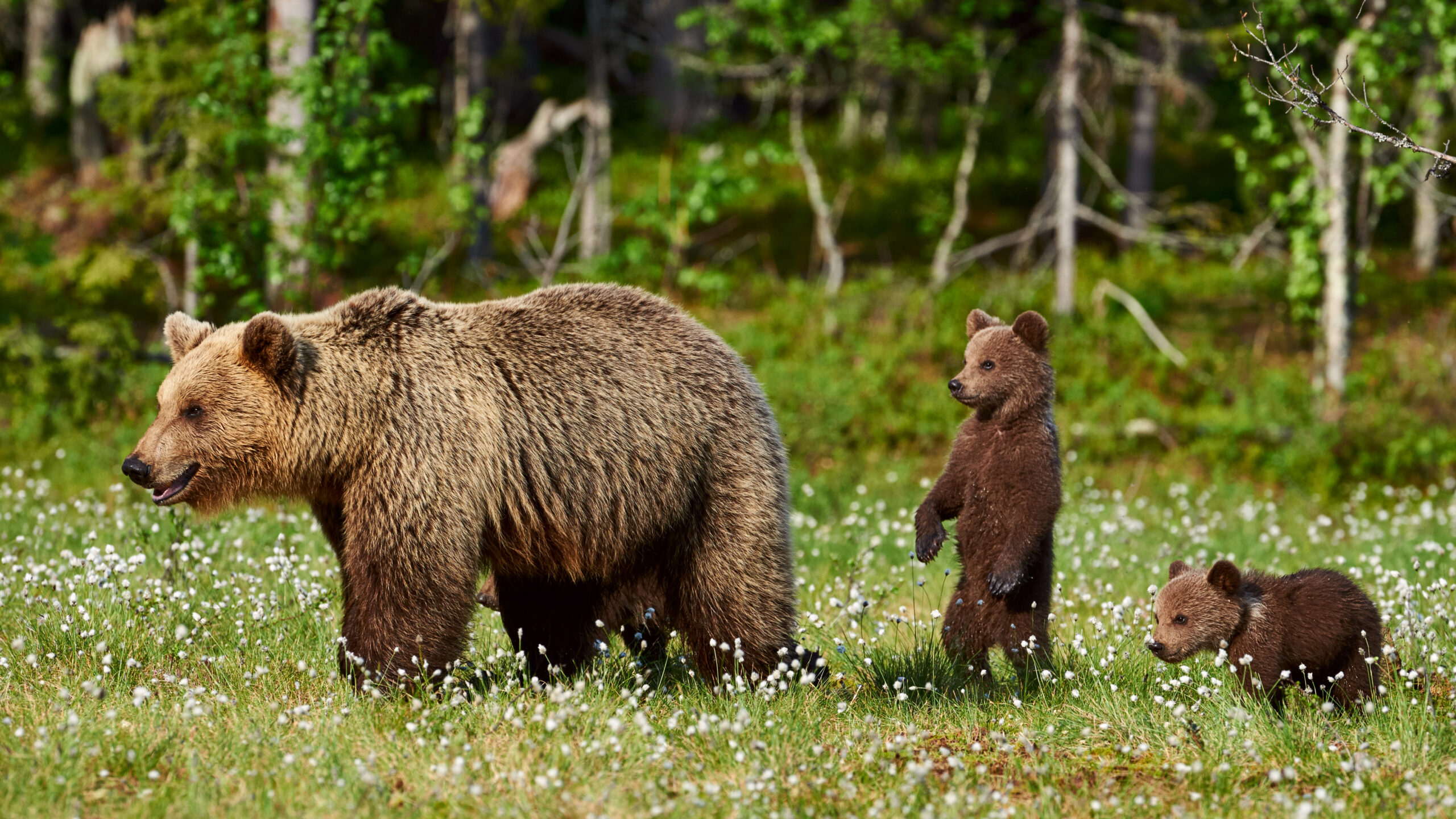
Grizzly bears are habitat generalists, thriving in nearly every habitat type, provided they can stay safe from human impacts. While their populations in some parts of the Mountain West have been increasing, their reproduction rate is quite slow, and they can be prone to conflict when near human populations, encountering issues with people whether from recreation, agriculture, hunting, food attractants, highways, or railways.
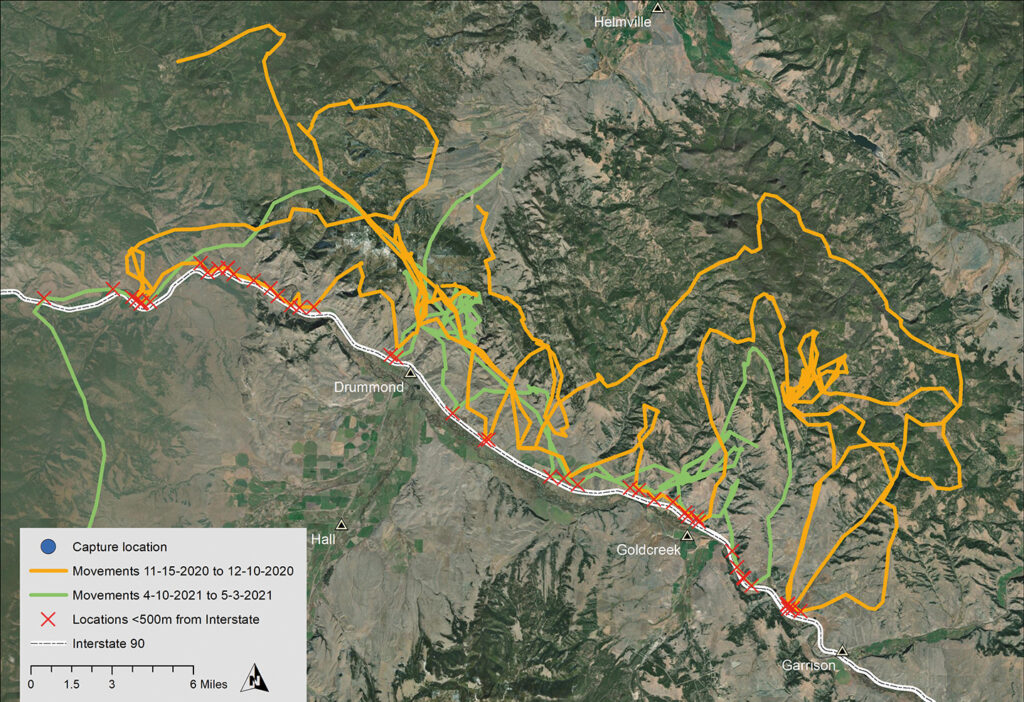
Habitat fragmentation caused by roads and other infrastructure can lead to reduced access to food and water, wildlife-vehicle collisions, limited access to mates leading to potential inbreeding, and more human-wildlife conflict. In addition, the future of grizzly population management is uncertain with recent changes to a U.S. Fish & Wildlife Service rule (July 2026).
As this keystone species continues to recover, it is important now more than ever to find ways for humans and grizzlies to coexist in shared landscapes, and one strategy is ensuring habitat connectivity. Ensuring that grizzlies have appropriate movement corridors away from people reduces the likelihood of conflict with humans.
The Center for Large Landscape Conservation (CLLC) thinks and works on connectivity at local, state, national, and international scales, and here in our Montana-based offices, we are particularly aware of the impacts that more humans on the landscape are creating for grizzlies and other species. We aim to help reduce habitat loss and fragmentation and to keep bears and other animals moving safely through the roads, railways, communities, and similar structures of our human footprint.
Much of CLLC’s work is focused on helping wildlife move across roadways, working within the science called road ecology or transportation ecology.
“One of the significant sources of human-caused mortality for grizzlies is wildlife-vehicle collisions,” said Kylie Paul, Road Ecologist with CLLC. “On some highways, the traffic volume is too high for the bears to cross, creating a barrier to movement and cutting them off from accessing habitat and resources like seasonal berry crops or potential mates.”
Wildlife crossing structures, like overpasses and underpasses, when combined with sufficient fencing, can effectively reduce this mortality and create the opportunity for a reconnected landscape. Research has found that grizzly bears have specific needs when it comes to designing a wildlife crossing structure.
“Grizzly bear males will use both overpasses and underpasses of varying sizes,” Paul said. “But as is often the case with many wildlife species, females with cubs tend to be wary of potentially risky or unfamiliar circumstances, preferring the more visually open overpasses or open-span bridge underpasses.”
When staff at CLLC are proposing, advocating for, and helping design wildlife crossings for grizzlies and other species here in Montana, such as at Sixmile Creek near Missoula, on US-191 near Big Sky, and at Dome Mountain outside of Gardiner, we advocate for a design that will work for female grizzlies.
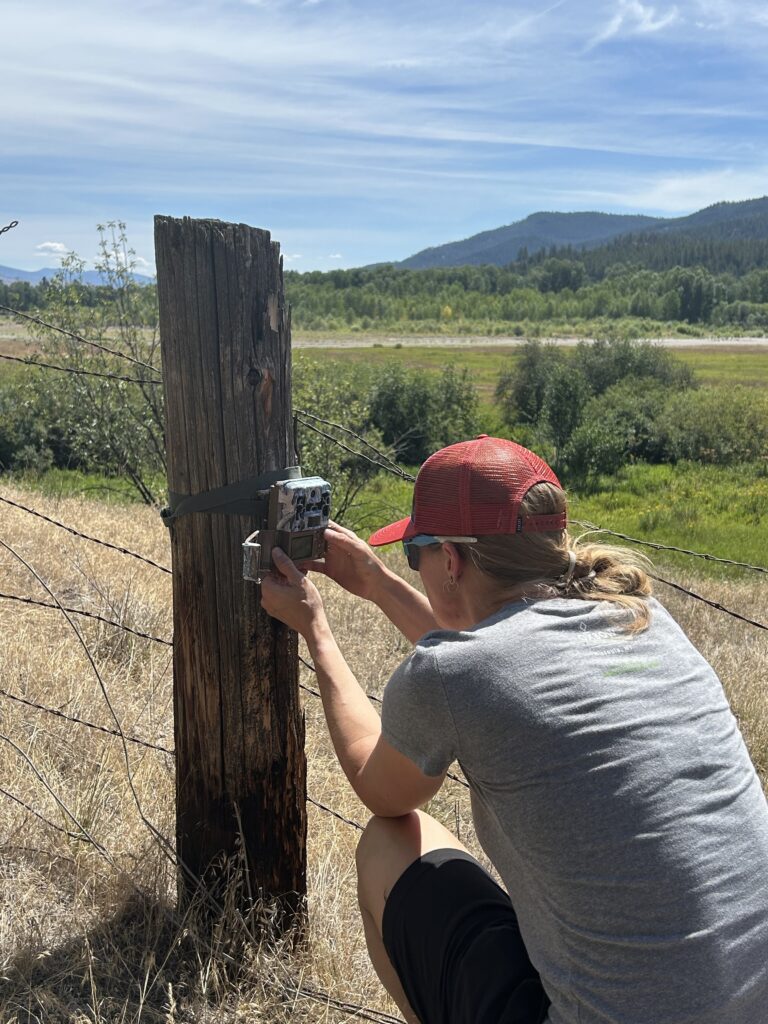
We also use remote cameras and other monitoring methods, along with collision and roadkill data, to understand where grizzly bears and other wildlife are moving, so that crossings are built in the right locations for the target species.
Many solutions working together will help keep grizzly bears safely on the move and out of trouble. This includes individual measures like putting our trash in bear-resistant containers or carrying bear spray and making noise when we’re recreating throughout the bears’ homelands. And it will require conservation and policy solutions, like wildlife crossings and preserved corridors that help bears move through the landscape safely.
Learn more about wildlife crossings and our U.S. Connectivity Program
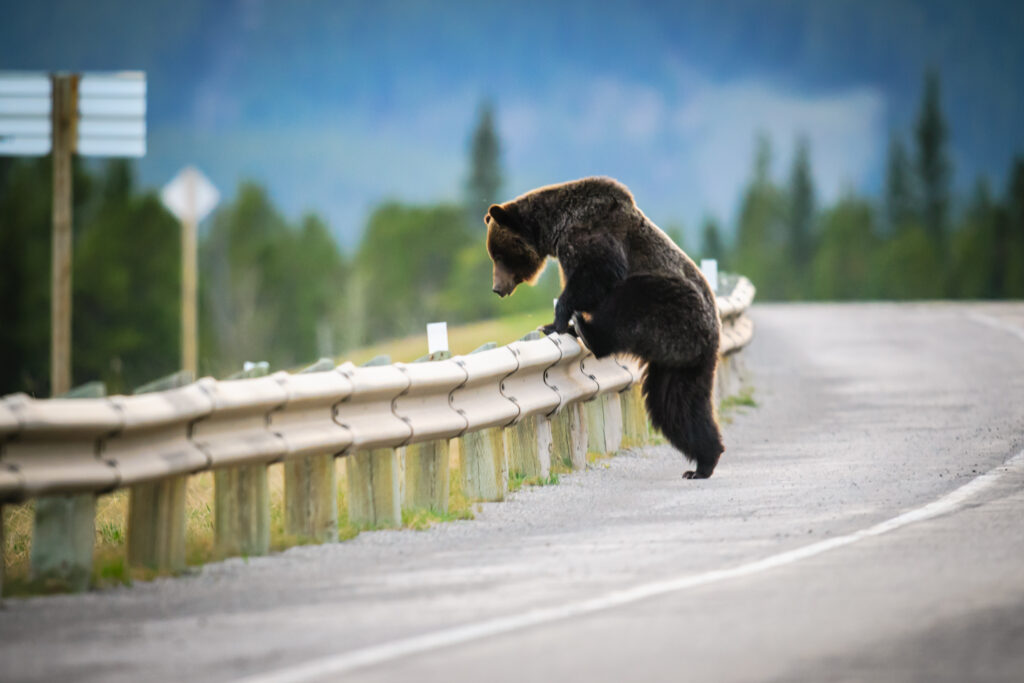
Top Image: A grizzly bear crosses a road and climbs over a guard rail. Credit: Adobe Stock