Maintaining Habitat Linkages for Wildlife
California’s scenic Central Coast features diverse ecosystems, from forests and grasslands to coastal dunes and wetlands. These landscapes support wide-ranging wildlife such as mountain lions, bobcats, badgers, mule deer, pronghorn, and elk. However, housing, highways, and other development are fragmenting essential habitat, isolating wildlife populations, reducing genetic diversity, and limiting species’ ability to adapt to climate change.
Central Coast Mountain Lions
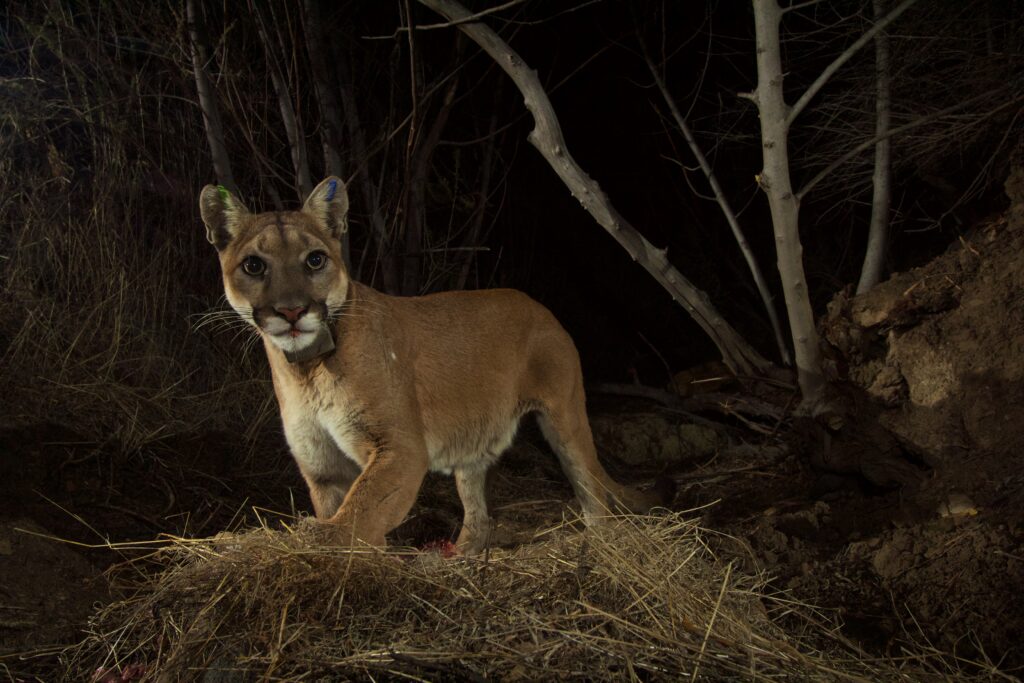
Mountain lions are found throughout California, including the Central Coast. This species helps maintain healthy ecosystems by balancing predator and prey populations. Throughout their lives, they may travel hundreds of miles to find food, mates, and habitat to raise their young.
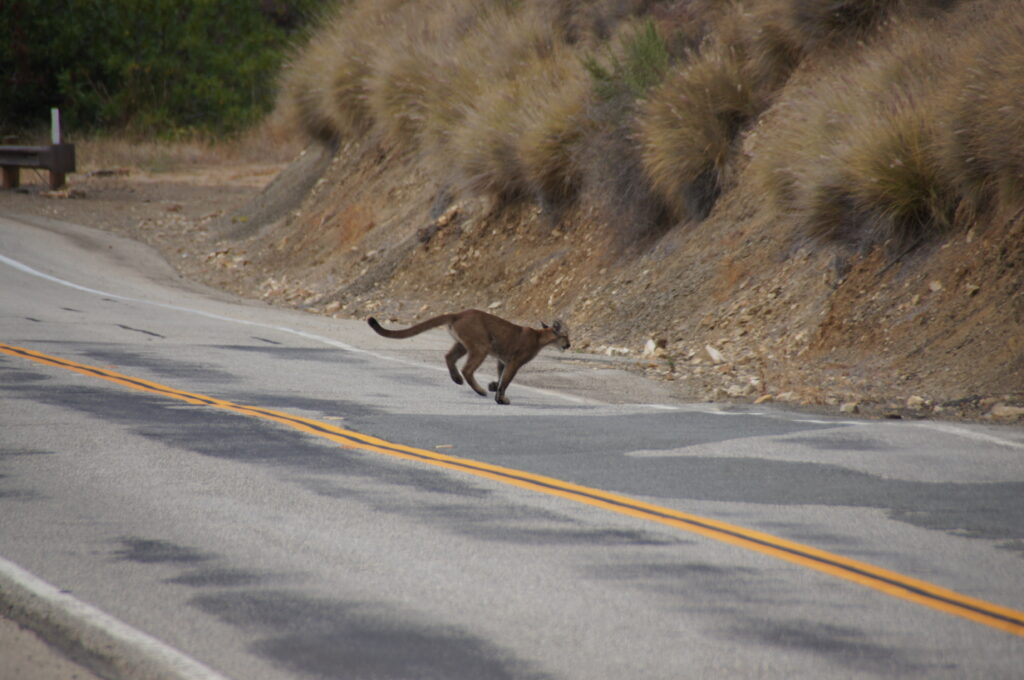
Yet roads and development increasingly restrict their movement, cut off access to essential resources, and put them at risk of being struck by vehicles. With inbreeding and local extinction posing serious threats, California has designated Central Coast mountain lion populations as threatened under the state’s Endangered Species Act.
Mountain lions illustrate a broader challenge: protecting connected landscapes is essential to wildlife survival.
A Window of Opportunity for Wildlife
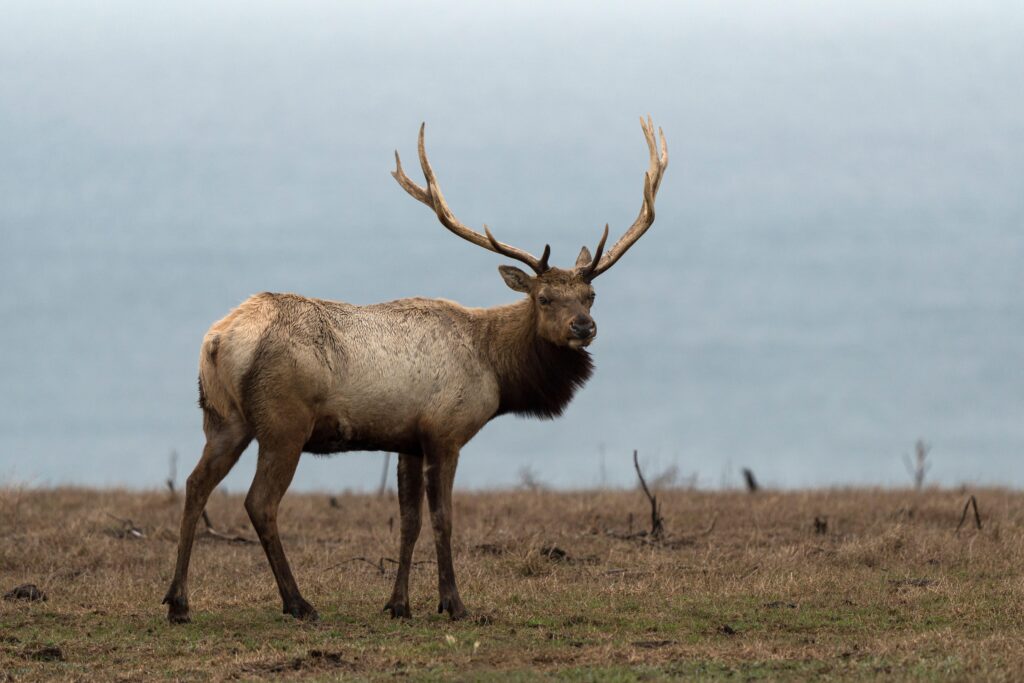 The Central Coast still has large areas of intact landscapes and important wildlife linkages that can be preserved before they are lost. California has made ecological connectivity a statewide priority through:
- 30×30 Initiative, which commits the state to conserving 30% of its lands and coastal waters by 2030;
- Safe Roads and Wildlife Protection Act, which directs Caltrans to prioritize wildlife crossings on state highways; and
- Room to Roam Act, which requires cities and counties to plan for wildlife movement in their general plans.
The challenge now is translating that commitment into decisions on the ground.
The Central California Coast Connectivity Project
 The Center for Large Landscape Conservation (CLLC) is launching a three-year connectivity initiative, the Central California Coast Connectivity Project, to identify wildlife movement corridors for multiple species and assist conservation partners and land-use planners in their efforts to keep linkages intact. In addition, we will map mountain lion connectivity across a larger region to pinpoint the key linkages and barriers affecting the ability of coastal populations to connect with the thriving, more stable population in the Sierra Nevada.
CLLC is working with partners—the California Department of Fish & Wildlife, Santa Barbara County, San Luis Obispo County, the regional district of California’s Department of Transportation, and many others—to provide the science, tools, and collaboration needed to identify and preserve vital linkages in the Central Coast region.
The project is being led by Conservation Science Director Annika Keeley and U.S. Program Director Greg Costello. Tyler Creech will conduct the spatial analyses. Kristeen Penrod with SC Wildlands and John Gallo with the Regional Resilience Network are consultants on the project.
The Central California Coast Connectivity Project aims to:
- Keep wildlife moving: Identify critical habitat linkages to maintain, restore, and protect, and target key barriers for remediation before fragmentation becomes irreversible.
- Focus conservation investment: Help partners identify where limited resources can have the greatest impact.
- Support local planning: Give counties and municipalities the connectivity data they need to plan for wildlife movement in their general plans under the Room to Roam Act.
- Build a model for California: Demonstrate a practical approach that can be adapted to other regions.
Learn more about work to link habitat for mountain lions
Please contact Annika Keeley (annika@largelandscapes.org) if you have any questions.
Banner photo: Panoramic view from Hurricane Deck Trail in Los Padres National Forest – Adobe Stock