Cropped Beautiful And Colorful Colorado Rocky Mountain Autumn Scenery. Mt. Sneffels In The San Juan Mountains At Sunrise

Reconnecting our Fragmented Natural World

Fall Foliage Vista Of The Superior National Forest. View On Cari

Our Work Across Landscapes

From highways to habitats, discover how we’re restoring ecological connectivity for people and wildlife

Us Crossing V2
Elephant And Baby
Big Horn Sheep In Montana

Our Approach

We are a team of scientists, policy specialists, and other experts dedicated to reconnecting fragmented landscapes, maintaining safe passage for wildlife, and restoring the natural connectivity that sustains all life on Earth.

Icon Science

Science

Cutting-edge research and applied science shaping how the world measures, maps, and strengthens connectivity

Icon Policy

Policy

Expert guidance supporting local, state, and national governments and international organizations to integrate connectivity into transportation and land-use planning

Icon Networks

Networks

Collaborative communities of conservation practitioners working within and across boundaries

Icon Implementation

Implementation

On-the-ground, collaborative projects from wildlife crossings to corridor conservation that make connectivity real

Bg Featured Projects Brown Bear Scaled

Featured Projects

Conservation in action across the globe

Grizzly V2

Western United States

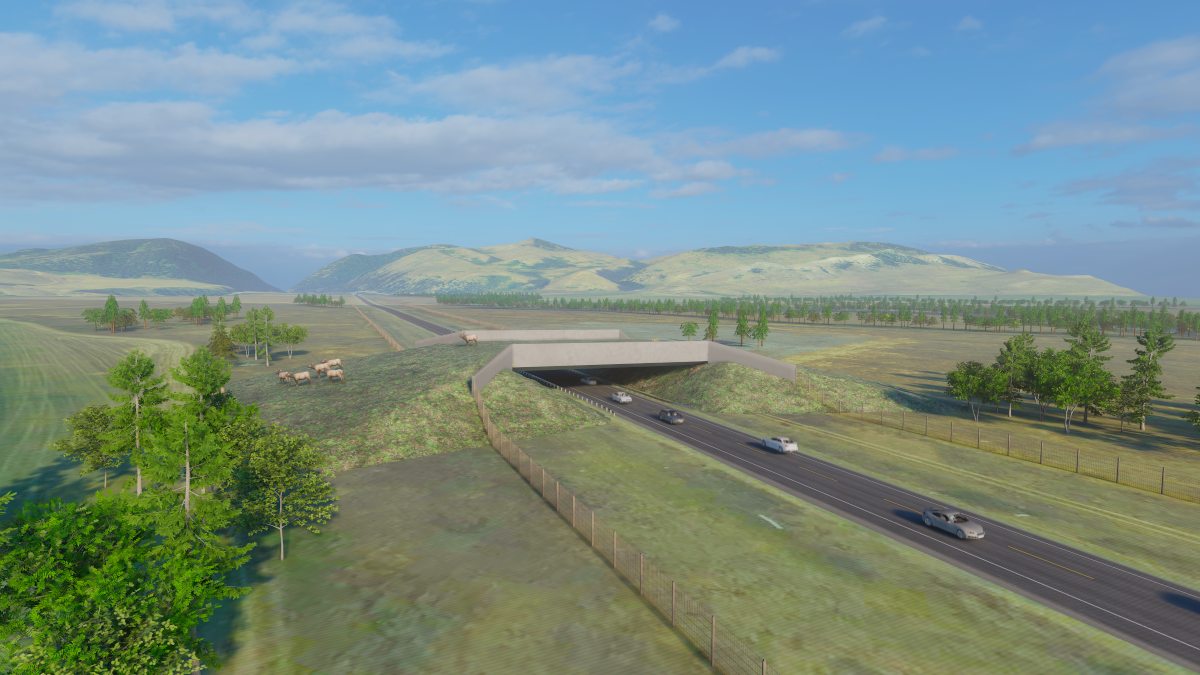
US-191/MT-64 Wildlife Crossings Project

Advancing wildlife crossings at a major gateway to Yellowstone to reduce collisions and keep habitat connected.

Montana


Central America

Transboundary Conservation

Building connectivity across borders in the Trifinio-Fraternidad Biosphere Reserve, where Guatemala, Honduras, and El Salvador meet, to conserve biodiversity and strengthen landscape resilience.

3 Countries


Nationalpark Carrara, Costa Rica
Adobestock 163040043

Asia

Elephant-Friendly Infrastructure

Partnering with governments and communities to design roads and development that respect traditional Asian elephant migration routes, ensuring these giants can continue their ancient journeys safely.

13 Countries


Adobestock 330143782

Wild About Wildlife Conservation?

Join our community and get the latest connectivity conservation updates, exciting stories from the field, event announcements, and more.

We respect your privacy. Unsubscribe at any time. Privacy Policy

Monarch Butterfly

Your tax-deductible donation helps us ensure that nature is undivided.

With your support, we can restore fragmented habitat, maintain pathways of wildlife movement, and reconnect large landscapes worldwide.

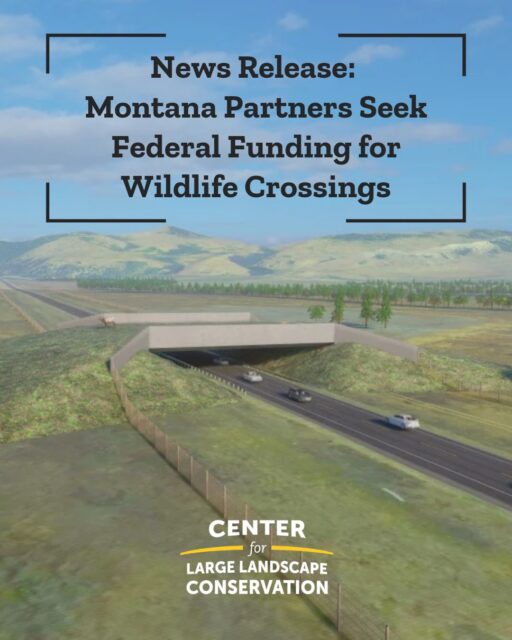
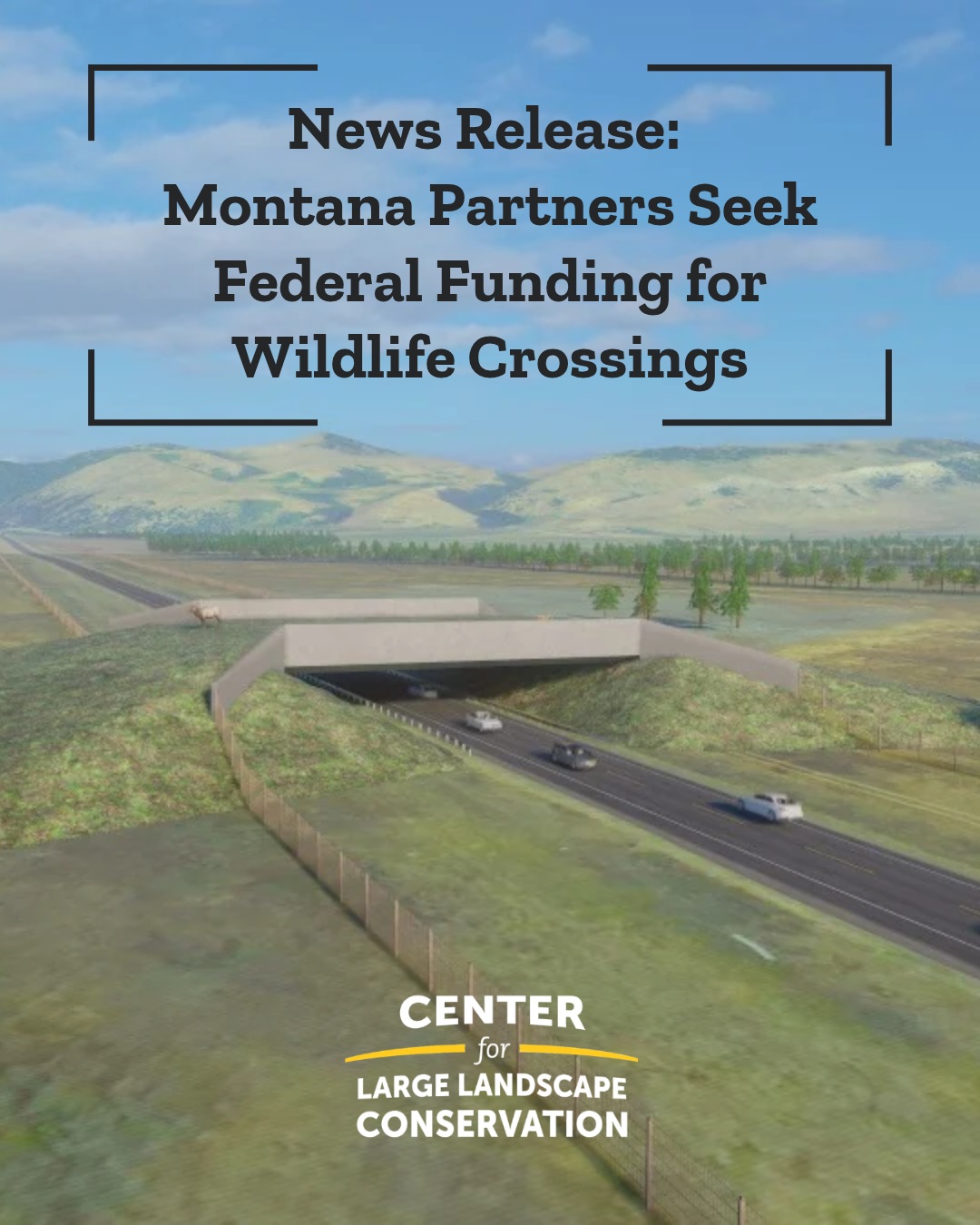
  • Earlier this week, the Montana Department of Transportation (MDT) applied to the federal Wildlife Crossings Pilot Program for a grant to help fund a series of wildlife crossings on US Highway 191 in Southwest Montana. MDT teamed with the Center for Large Landscape Conservation and Montana Fish, Wildlife & Parks to develop the grant application.  US 191 cuts through critical habitat for resident, wide-ranging, and migratory species in the Greater Yellowstone Ecosystem. But with tourism and population growth over the last decade, wildlife-vehicle collisions have also increased, with nearly half of all crashes within the 5-mile project area involving wildlife.  To read more, see link in bio.  @mtdot @montanafwp  #wildlifecrossings #wildlifecorridors #montana #roadecology
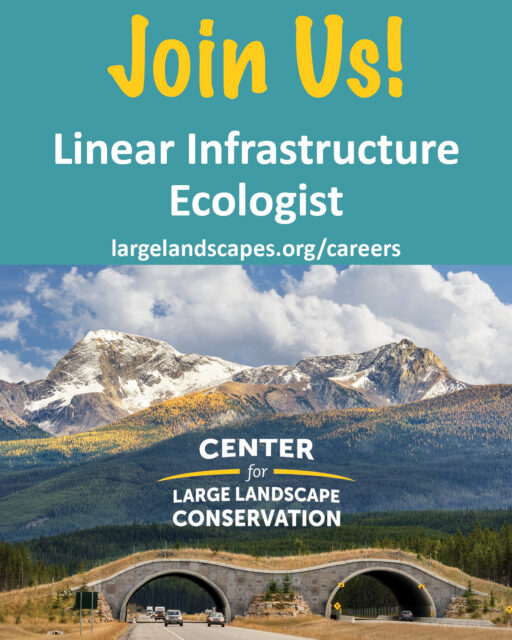
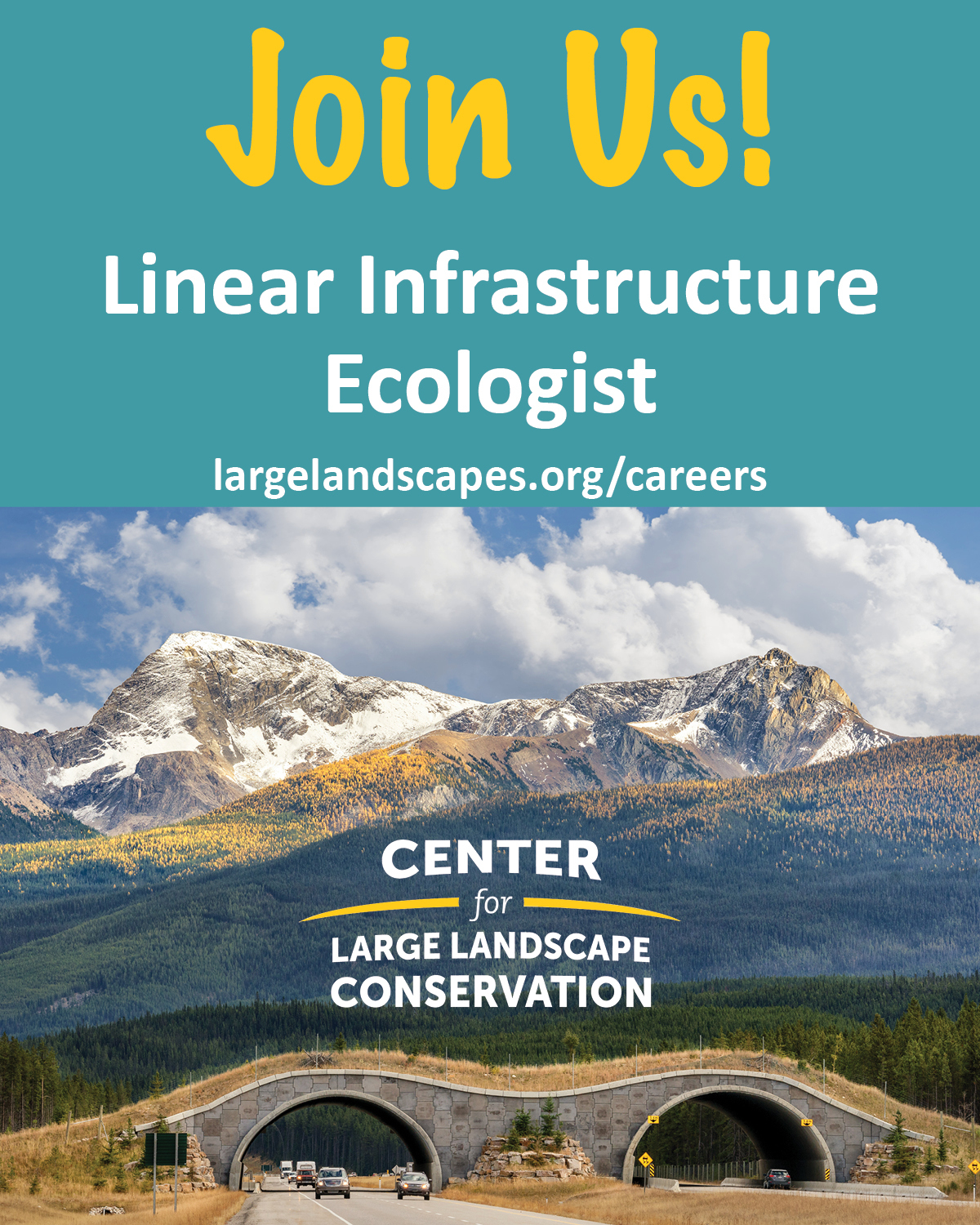
  • The Center for Large Landscape Conservation is growing! We are seeking an enthusiastic, hard-working team player who is passionate about conservation and interested in advancing the science and practice of linear infrastructure ecology.  The Linear Infrastructure Ecologist will provide technical expertise for a range of applied science and conservation projects, transform science into usable knowledge and capacity-strengthening tools, and contribute to our efforts to strengthen the capacity of communities of practice to advance wildlife-friendly linear infrastructure.  This is a full-time position and can be in-person, hybrid, or remote. Apply by November 20.  To learn more or apply, see link in bio.  #roadecology #linearinfrastructureecology #linearinfrastructure #conservationjobs #conservationcareers
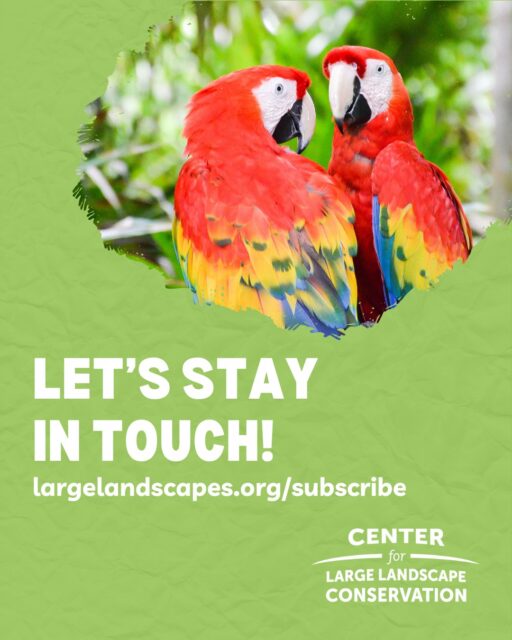
  • Want to see how we’re making a difference for wildlife and wild places? Sign up for the Center for Large Landscape Conservation’s email list for exciting updates delivered straight to your inbox! From wildlife crossings that help animals safely navigate busy highways to preserving migration routes and connecting landscapes across the globe, you’ll get an inside look at conservation in action.  Sign up at the link in our bio.
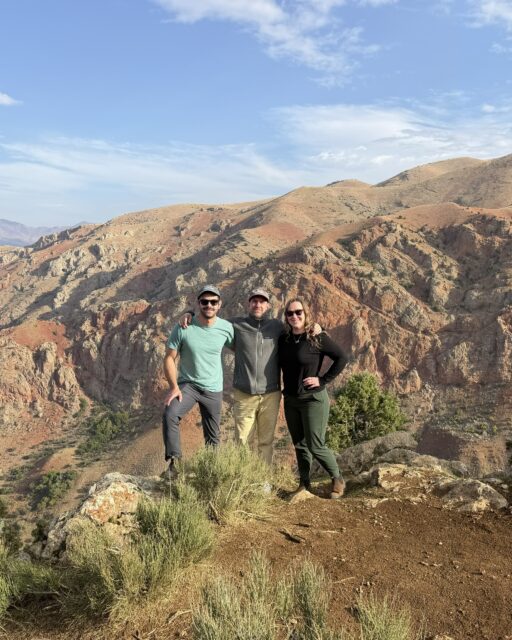
  • Ahead of the start of the Convention on Biological Diversity CoP-17 in Yerevan, Armenia, CLLC staff members Aaron Laur, Rebecca Boslough King, and Gabriel Oppler spent two days visiting the town of Areni and the Arpa Protected Landscape, a mountainous region about two hours south of Yerevan. 
The protected area is owned and managed by a local NGO called the Arpa Environment Foundation—an implementing partner of the Eco-Corridors Fund for the Caucuses. Our team went out into the field with rangers to learn about some of their challenges and approaches to managing the landscape. While they were out, the rangers set up camera traps to monitor a small population of three Caucasian leopards. The group spotted Bezoar goats, considered the ancestor of all domestic goats, which is a vulnerable species in Armenia and is near threatened globally.  The area is also home to several cultural heritage sites that generate tourism, including 800-year-old monasteries and a cave with archeological findings such as the oldest leather shoe ever found and the oldest complete winemaking system (clay pots over 5,000 years old!). 
Our team is grateful for incredible hospitality throughout the visit from the Arpa EF team!  @arpa_protected_landscape  #CBDCOP17 
#COP17Armenia 
#Armenia
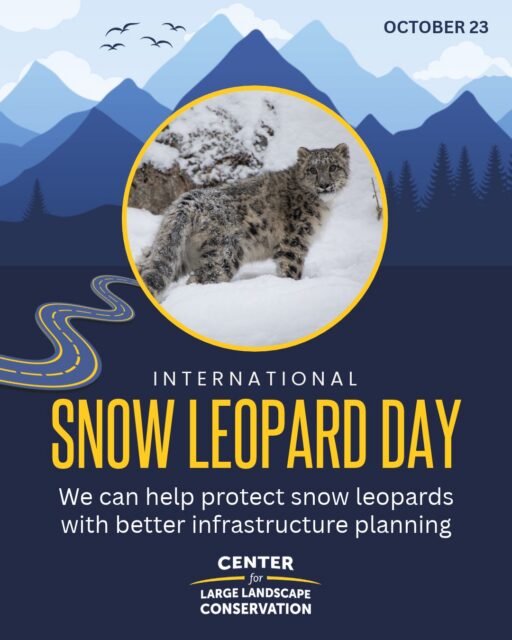
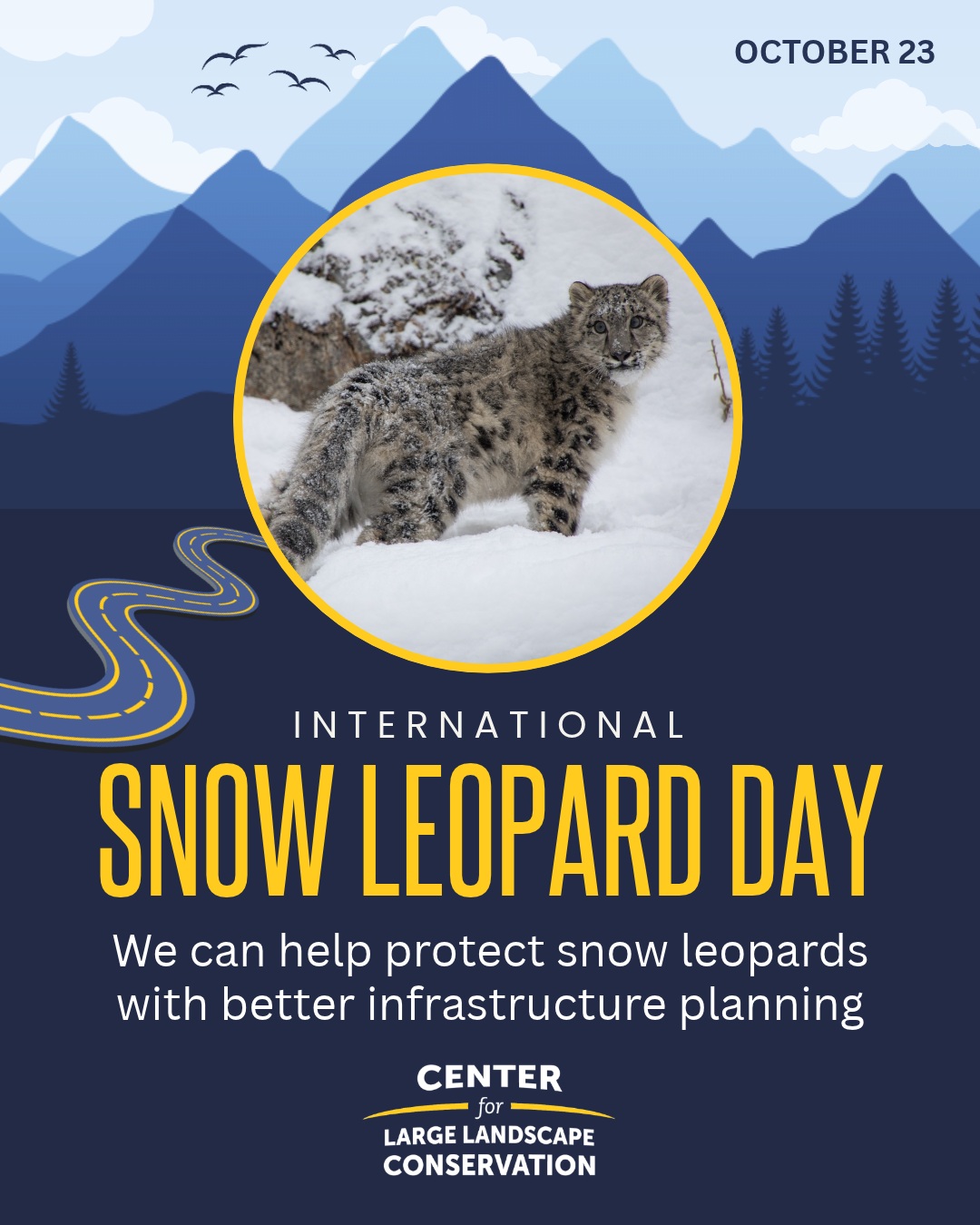
  • Snow leopards roam the high mountains of South and Central Asia, but expanding roads, railways, and power lines increasingly inhibit their movement and threaten the habitat they depend on.  To help protect these elusive big cats and their fragile ecosystems, the Global Snow Leopard and Ecosystem Protection Program (GSLEP)—an alliance of 12 snow leopard range countries—formed a working group led by the Snow Leopard Trust, WWF, and the Center for Large Landscape Conservation.  Together, we developed Guiding the Future of Linear Infrastructure Development in Snow Leopard Landscapes, a resource to help governments and infrastructure decision-makers avoid and reduce the impacts of development projects with better planning and implementation.  With thoughtful planning, communities can be connected while still protecting snow leopards, their prey, and their habitat.  For more information, see link in bio.  @world_wildlife @snowleopardtrust  #InternationalSnowLeopardDay #snowleopards #wildlifecrossings #roadecology
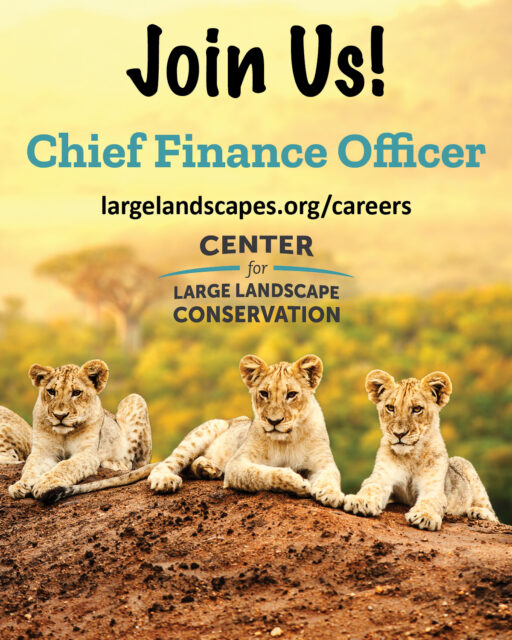
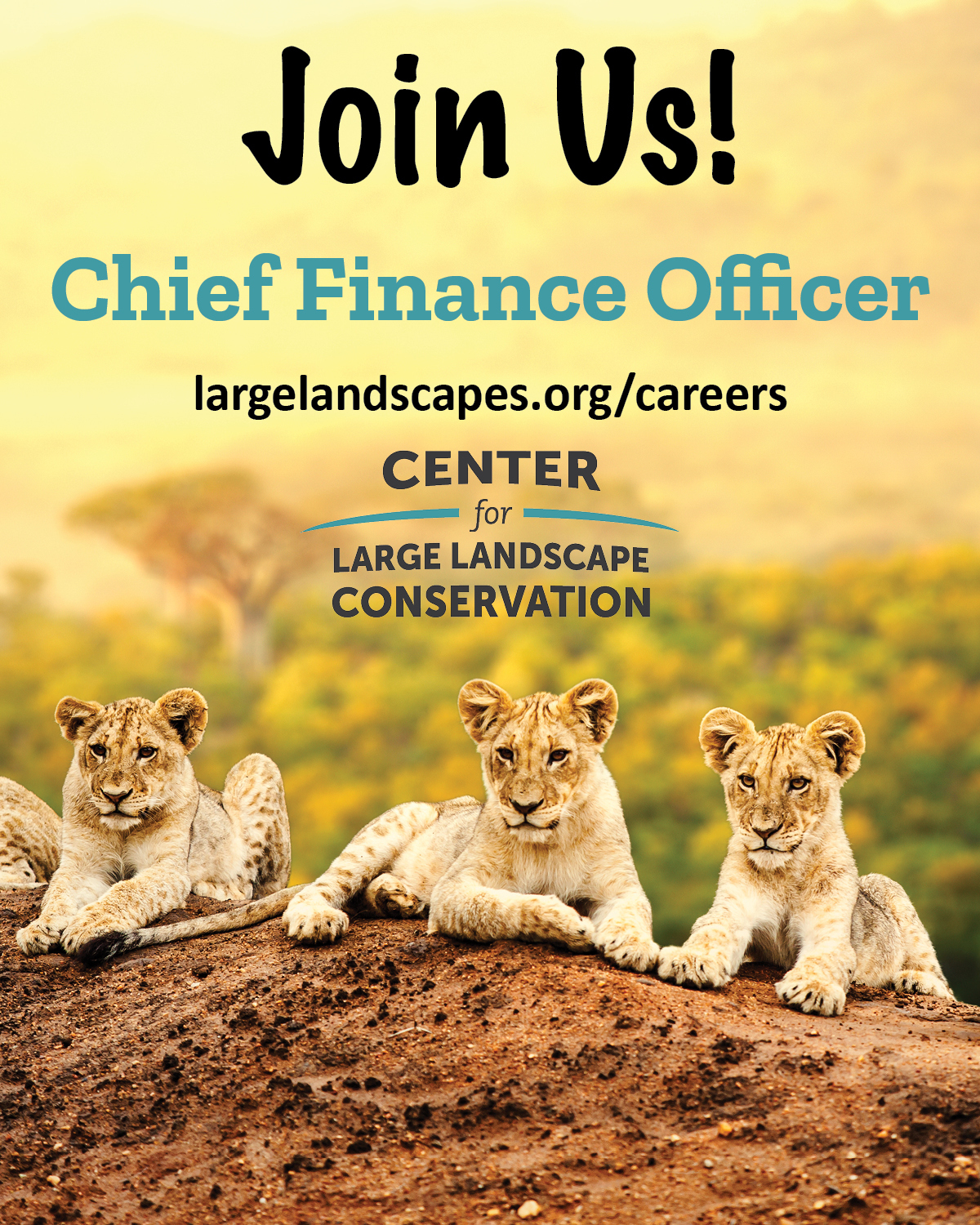
  • Join our team! We are looking for a Chief Finance Officer (CFO) to lead our finance, operations, human resources, and information technology, so we can grow sustainably and deliver more conservation impact. The ideal candidate is a seasoned financial leader with strategic vision, sound judgment, and strong interpersonal skills.  The position will preferably be based in either Bozeman or Missoula, Montana, but a remote option within the contiguous U.S. may be negotiable. First consideration will be given to applications received by November 6.  See the link in our bio to learn more about the position and apply.  #conservationjobs #conservationcareers #hiring #Montanajobs
Earlier this week, the Montana Department of Transportation (MDT) applied to the federal Wildlife Crossings Pilot Program for a grant to help fund a series of wildlife crossings on US Highway 191 in Southwest Montana. MDT teamed with the Center for Large Landscape Conservation and Montana Fish, Wildlife & Parks to develop the grant application.  US 191 cuts through critical habitat for resident, wide-ranging, and migratory species in the Greater Yellowstone Ecosystem. But with tourism and population growth over the last decade, wildlife-vehicle collisions have also increased, with nearly half of all crashes within the 5-mile project area involving wildlife.  To read more, see link in bio.  @mtdot @montanafwp  #wildlifecrossings #wildlifecorridors #montana #roadecology
Earlier this week, the Montana Department of Transportation (MDT) applied to the federal Wildlife Crossings Pilot Program for a grant to help fund a series of wildlife crossings on US Highway 191 in Southwest Montana. MDT teamed with the Center for Large Landscape Conservation and Montana Fish, Wildlife & Parks to develop the grant application. US 191 cuts through critical habitat for resident, wide-ranging, and migratory species in the Greater Yellowstone Ecosystem. But with tourism and population growth over the last decade, wildlife-vehicle collisions have also increased, with nearly half of all crashes within the 5-mile project area involving wildlife. To read more, see link in bio. @mtdot @montanafwp #wildlifecrossings #wildlifecorridors #montana #roadecology
6 minutes ago
View on Instagram |
1/6
The Center for Large Landscape Conservation is growing! We are seeking an enthusiastic, hard-working team player who is passionate about conservation and interested in advancing the science and practice of linear infrastructure ecology.  The Linear Infrastructure Ecologist will provide technical expertise for a range of applied science and conservation projects, transform science into usable knowledge and capacity-strengthening tools, and contribute to our efforts to strengthen the capacity of communities of practice to advance wildlife-friendly linear infrastructure.  This is a full-time position and can be in-person, hybrid, or remote. Apply by November 20.  To learn more or apply, see link in bio.  #roadecology #linearinfrastructureecology #linearinfrastructure #conservationjobs #conservationcareers
The Center for Large Landscape Conservation is growing! We are seeking an enthusiastic, hard-working team player who is passionate about conservation and interested in advancing the science and practice of linear infrastructure ecology. The Linear Infrastructure Ecologist will provide technical expertise for a range of applied science and conservation projects, transform science into usable knowledge and capacity-strengthening tools, and contribute to our efforts to strengthen the capacity of communities of practice to advance wildlife-friendly linear infrastructure. This is a full-time position and can be in-person, hybrid, or remote. Apply by November 20. To learn more or apply, see link in bio. #roadecology #linearinfrastructureecology #linearinfrastructure #conservationjobs #conservationcareers
3 weeks ago
View on Instagram |
2/6
Want to see how we’re making a difference for wildlife and wild places? Sign up for the Center for Large Landscape Conservation’s email list for exciting updates delivered straight to your inbox! From wildlife crossings that help animals safely navigate busy highways to preserving migration routes and connecting landscapes across the globe, you’ll get an inside look at conservation in action.  Sign up at the link in our bio.
Want to see how we’re making a difference for wildlife and wild places? Sign up for the Center for Large Landscape Conservation’s email list for exciting updates delivered straight to your inbox! From wildlife crossings that help animals safely navigate busy highways to preserving migration routes and connecting landscapes across the globe, you’ll get an inside look at conservation in action. Sign up at the link in our bio.
3 weeks ago
View on Instagram |
3/6
Ahead of the start of the Convention on Biological Diversity CoP-17 in Yerevan, Armenia, CLLC staff members Aaron Laur, Rebecca Boslough King, and Gabriel Oppler spent two days visiting the town of Areni and the Arpa Protected Landscape, a mountainous region about two hours south of Yerevan. 
The protected area is owned and managed by a local NGO called the Arpa Environment Foundation—an implementing partner of the Eco-Corridors Fund for the Caucuses. Our team went out into the field with rangers to learn about some of their challenges and approaches to managing the landscape. While they were out, the rangers set up camera traps to monitor a small population of three Caucasian leopards. The group spotted Bezoar goats, considered the ancestor of all domestic goats, which is a vulnerable species in Armenia and is near threatened globally.  The area is also home to several cultural heritage sites that generate tourism, including 800-year-old monasteries and a cave with archeological findings such as the oldest leather shoe ever found and the oldest complete winemaking system (clay pots over 5,000 years old!). 
Our team is grateful for incredible hospitality throughout the visit from the Arpa EF team!  @arpa_protected_landscape  #CBDCOP17 
#COP17Armenia 
#Armenia
Ahead of the start of the Convention on Biological Diversity CoP-17 in Yerevan, Armenia, CLLC staff members Aaron Laur, Rebecca Boslough King, and Gabriel Oppler spent two days visiting the town of Areni and the Arpa Protected Landscape, a mountainous region about two hours south of Yerevan. The protected area is owned and managed by a local NGO called the Arpa Environment Foundation—an implementing partner of the Eco-Corridors Fund for the Caucuses. Our team went out into the field with rangers to learn about some of their challenges and approaches to managing the landscape. While they were out, the rangers set up camera traps to monitor a small population of three Caucasian leopards. The group spotted Bezoar goats, considered the ancestor of all domestic goats, which is a vulnerable species in Armenia and is near threatened globally. The area is also home to several cultural heritage sites that generate tourism, including 800-year-old monasteries and a cave with archeological findings such as the oldest leather shoe ever found and the oldest complete winemaking system (clay pots over 5,000 years old!). Our team is grateful for incredible hospitality throughout the visit from the Arpa EF team! @arpa_protected_landscape #CBDCOP17 #COP17Armenia #Armenia
3 weeks ago
View on Instagram |
4/6
Snow leopards roam the high mountains of South and Central Asia, but expanding roads, railways, and power lines increasingly inhibit their movement and threaten the habitat they depend on.  To help protect these elusive big cats and their fragile ecosystems, the Global Snow Leopard and Ecosystem Protection Program (GSLEP)—an alliance of 12 snow leopard range countries—formed a working group led by the Snow Leopard Trust, WWF, and the Center for Large Landscape Conservation.  Together, we developed Guiding the Future of Linear Infrastructure Development in Snow Leopard Landscapes, a resource to help governments and infrastructure decision-makers avoid and reduce the impacts of development projects with better planning and implementation.  With thoughtful planning, communities can be connected while still protecting snow leopards, their prey, and their habitat.  For more information, see link in bio.  @world_wildlife @snowleopardtrust  #InternationalSnowLeopardDay #snowleopards #wildlifecrossings #roadecology
Snow leopards roam the high mountains of South and Central Asia, but expanding roads, railways, and power lines increasingly inhibit their movement and threaten the habitat they depend on. To help protect these elusive big cats and their fragile ecosystems, the Global Snow Leopard and Ecosystem Protection Program (GSLEP)—an alliance of 12 snow leopard range countries—formed a working group led by the Snow Leopard Trust, WWF, and the Center for Large Landscape Conservation. Together, we developed Guiding the Future of Linear Infrastructure Development in Snow Leopard Landscapes, a resource to help governments and infrastructure decision-makers avoid and reduce the impacts of development projects with better planning and implementation. With thoughtful planning, communities can be connected while still protecting snow leopards, their prey, and their habitat. For more information, see link in bio. @world_wildlife @snowleopardtrust #InternationalSnowLeopardDay #snowleopards #wildlifecrossings #roadecology
4 weeks ago
View on Instagram |
5/6
Join our team! We are looking for a Chief Finance Officer (CFO) to lead our finance, operations, human resources, and information technology, so we can grow sustainably and deliver more conservation impact. The ideal candidate is a seasoned financial leader with strategic vision, sound judgment, and strong interpersonal skills.  The position will preferably be based in either Bozeman or Missoula, Montana, but a remote option within the contiguous U.S. may be negotiable. First consideration will be given to applications received by November 6.  See the link in our bio to learn more about the position and apply.  #conservationjobs #conservationcareers #hiring #Montanajobs
Join our team! We are looking for a Chief Finance Officer (CFO) to lead our finance, operations, human resources, and information technology, so we can grow sustainably and deliver more conservation impact. The ideal candidate is a seasoned financial leader with strategic vision, sound judgment, and strong interpersonal skills. The position will preferably be based in either Bozeman or Missoula, Montana, but a remote option within the contiguous U.S. may be negotiable. First consideration will be given to applications received by November 6. See the link in our bio to learn more about the position and apply. #conservationjobs #conservationcareers #hiring #Montanajobs
1 month ago
View on Instagram |
6/6