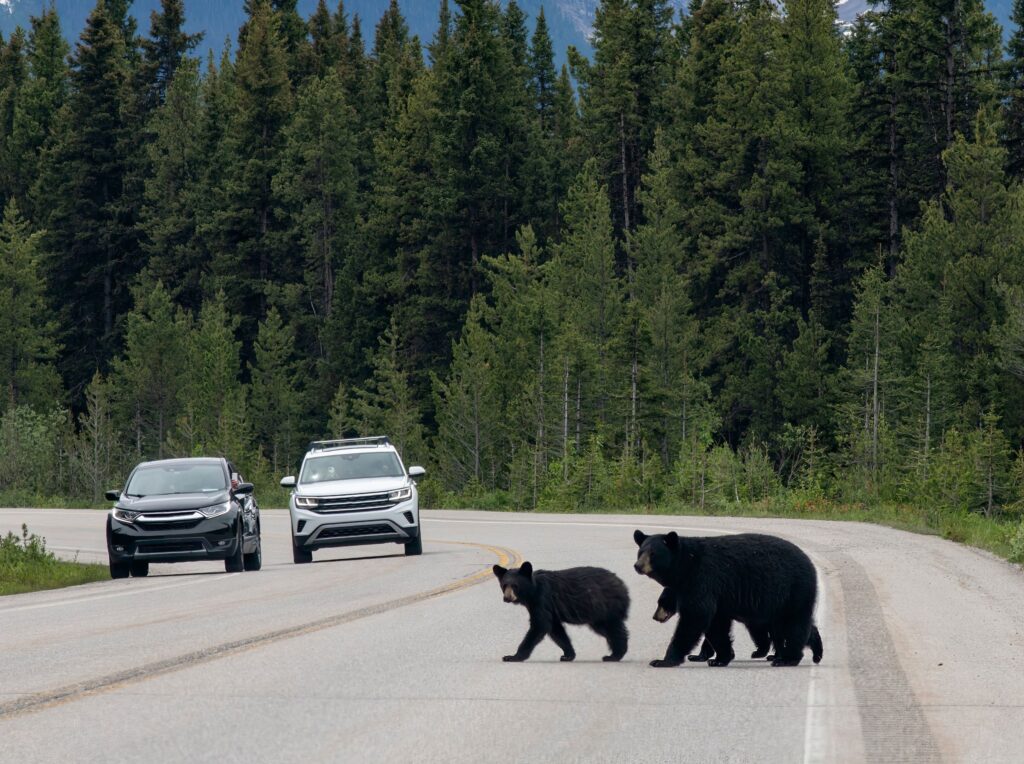
What are some things the states of Montana and West Virginia have in common? They both have scenic, mountainous terrain and low population densities. Both states have mining roots and thriving outdoor tourism industries centered around hiking, hunting, fishing, and wildlife viewing. And, unfortunately, both states top the list for a grim statistic. They are the two states with the highest risk of wildlife-vehicle collisions.
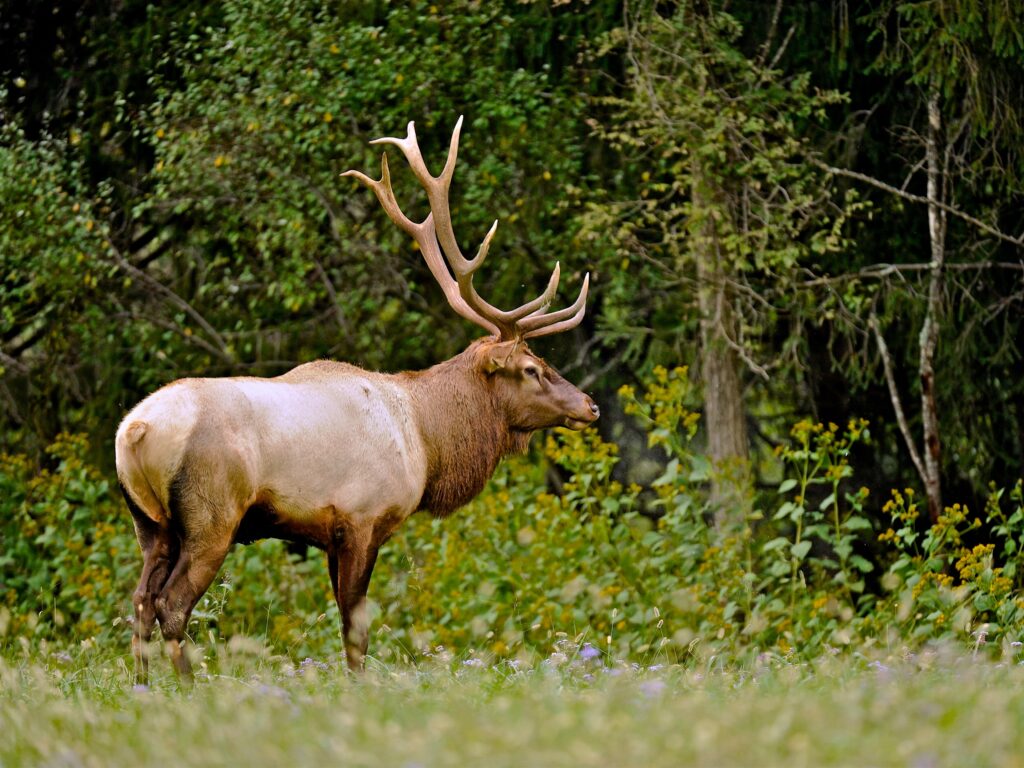
According to annual data from State Farm, West Virginia ranks #1 in the US, with drivers facing a 1 in 46 annual chance of hitting an animal. Montana ranks #2, with drivers facing a 1 in 54 annual chance. For comparison, the national average is 1 in 145. So it’s no surprise that transportation and wildlife agencies are taking action, in close partnership with the Center for Large Landscape Conservation, to plan and fund effective solutions to reduce wildlife-vehicle collisions and enhance habitat connectivity.
CLLC is working closely with state agencies in both locations to apply for funding through the federal Wildlife Crossings Pilot Program (WCPP). This competitive grant program, approved by Congress in 2021, authorized $350 million in funding to plan and build crossing structures for fiscal years 2022-2026 to be awarded by the U.S. Department of Transportation.
Establishing the WCPP was a groundbreaking move to create the first-ever pool of funding dedicated to advancing wildlife crossings. As we enter the final year of the program, it has awarded nearly $235 million to 29 states. The FY 2026 Wildlife Crossings Pilot Program (WCPP) application cycle just closed on November 16, offering approximately $80 million in grants.
Improving Roadway Safety in West Virginia
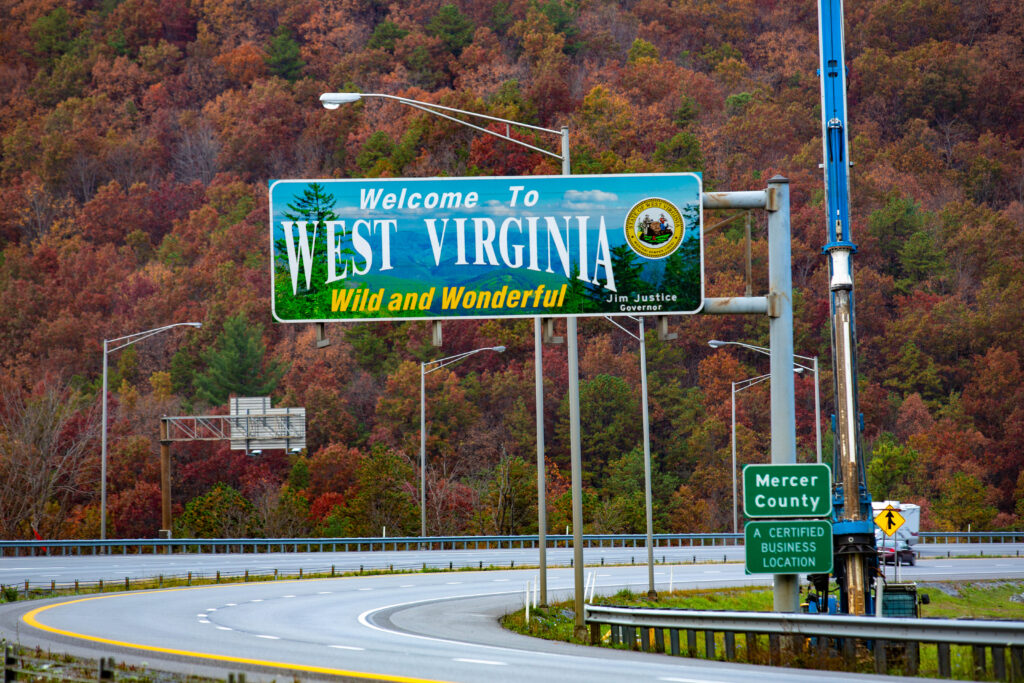
With support from CLLC, West Virginia Division of Highways and Division of Natural Resources are applying to fund WVCROSS (Wildlife-Vehicle Collision Reduction: Optimized Safety Solutions), a statewide initiative to reduce wildlife-vehicle collisions and improve roadway safety. With $400,000 in non-construction planning funds from the WCPP plus another $100,000 provided by the state, the project could establish a multi-agency data collection program, develop public “citizen science” and staff reporting tools, and assess wildlife movement and habitat connectivity at roads and transportation structures.
The resulting information will guide a statewide Wildlife-Vehicle Collision Reduction Plan and help prioritize cost-effective improvements. The initiative will also address roadway flooding, strengthen flood resilience, reconnect terrestrial and aquatic habitats, and improve access to West Virginia’s outdoor recreation and tourism opportunities.
Increasing Safe Passage in Montana
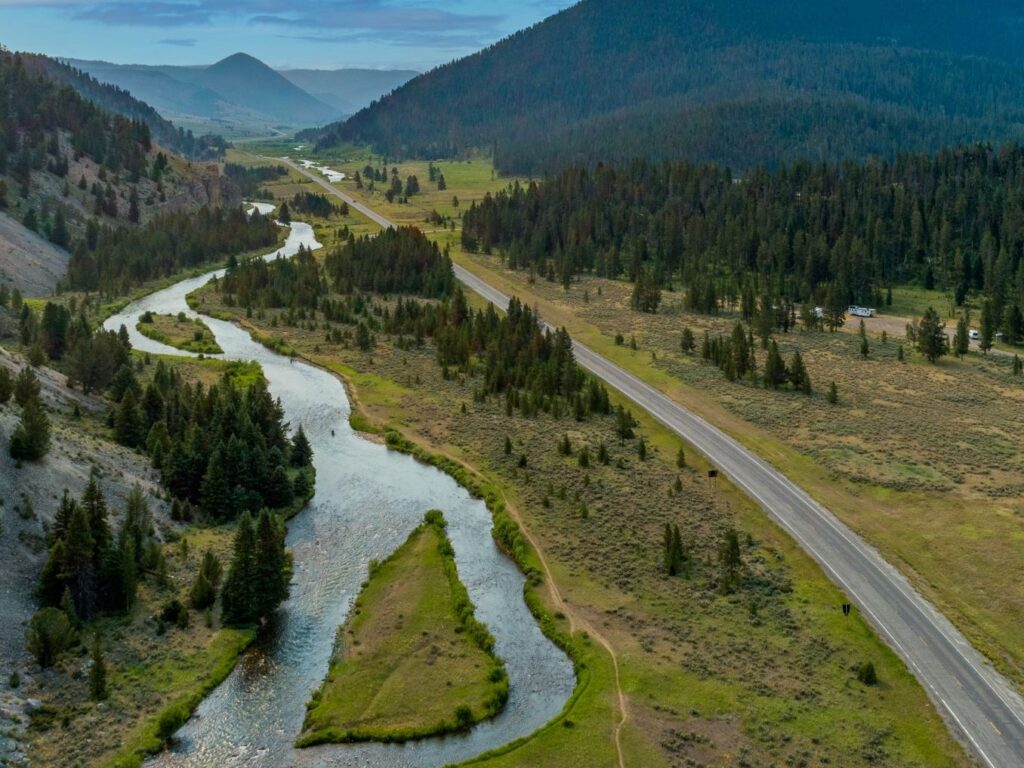
In Montana, CLLC has teamed up with the Montana Department of Transportation to apply for funding for a $28-million project that includes a new wildlife overpass, upgrades to an existing underpass, and a bridge retrofit to allow wildlife to pass safely over and beneath US Highway 191 in Southwest Montana. The focus is a stretch of highway between Big Sky and Bozeman, Montana, that cuts through critical habitat for resident, wide-ranging, and migratory species in the Greater Yellowstone Ecosystem.
Tourism and population growth have led to traffic increases and, within the project area, 50% of all crashes are collisions with wildlife—more than five times the statewide average of 10%. A 20 percent non-federal match is required for most WCPP grants. For this project, CLLC has secured $2,625,000 in non-federal matching funds from generous businesses, nonprofit organizations, and private donors. The Montana Department of Transportation and Montana Fish, Wildlife & Parks are also contributing to the match.
Demand Greatly Outweighs Funding for Crossings
In the previous WCPP funding cycle in fiscal year 2025, the Federal Highway Administration received 61 applications from 28 states requesting $585 million in funds. This demand was nearly five times the $125 million available for that round and 70% of projects went unfunded.
This year marks the final funding cycle under the five-year, $350-million pilot program. With only $80 million remaining to award, it is expected that, again, the vast majority of projects will not receive funding.
This year’s application from Montana will actually be the state’s second submission for the US-191 project. The first, co-submitted with CLLC in 2024, was ultimately not selected for available funding, despite being “highly recommended” for funding during the grant review process.
“Although the demonstrated need greatly outpaces current resources, both the Montana and West Virginia projects are worthy projects built on strong partnerships,” said Center for Large Landscape Conservation CEO Dr. Brendan Moynahan. “CLLC is committed to seeing these projects and partnerships succeed.”
“We know the competition for these grants is fierce, and funding isn’t guaranteed,” Moynahan said. “But these applications are just one step in a much longer effort. We’re committed to working alongside states to identify where crossings are needed most, build the science behind effective solutions, and find the funding to make them happen.”
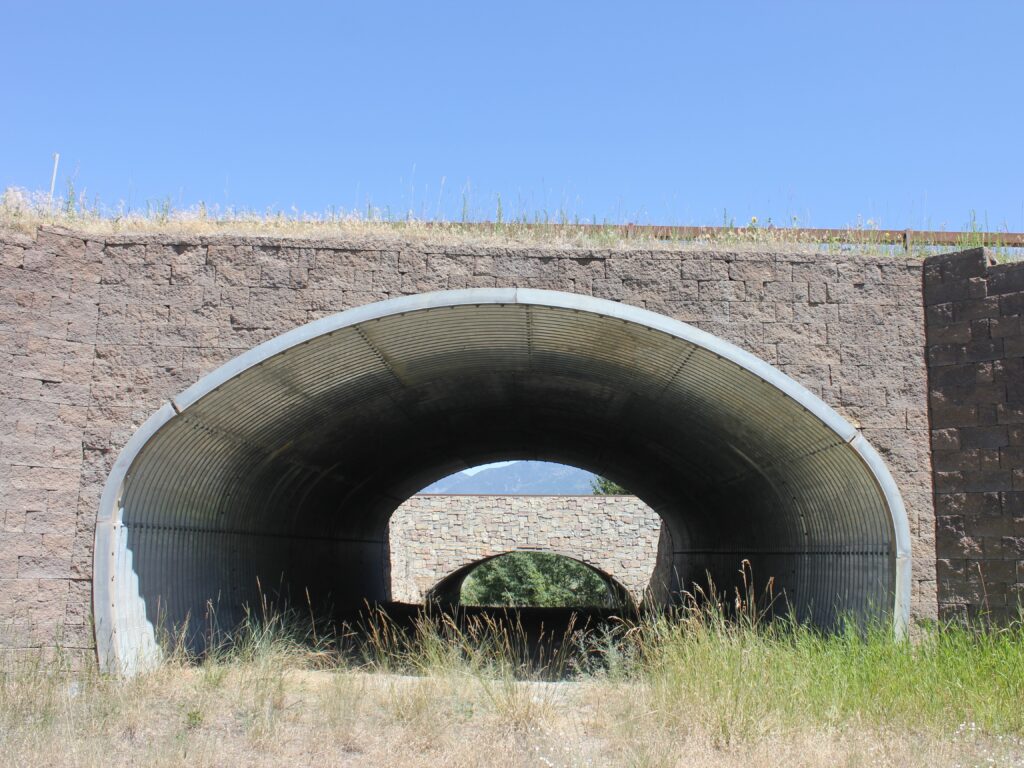
In acknowledgement of this high demand for funding to build crossings, Congress has introduced four major legislative proposals in the 119th Congress (2025–2026) to make the Wildlife Crossings Pilot Program permanent, remove its “pilot” status, and extend funding through fiscal year 2031. These include the BUILD America 250 Act, passed by the House Transportation and Infrastructure Committee in May 2026, along with several stand-alone bipartisan bills: H.R. 6078 , S. 3503, and S. 3556.
Moynahan hopes that the momentum of recent years for federally funded crossings will not only continue but also grow to enhance road safety while meeting the needs of wildlife.
“Wildlife needs connected landscapes to survive, but roads can stand in the way,” Moynahan said. “Wildlife crossings help restore those connections, giving animals room to roam and helping sustain healthy, resilient populations—and our relationships to them—for generations to come.”
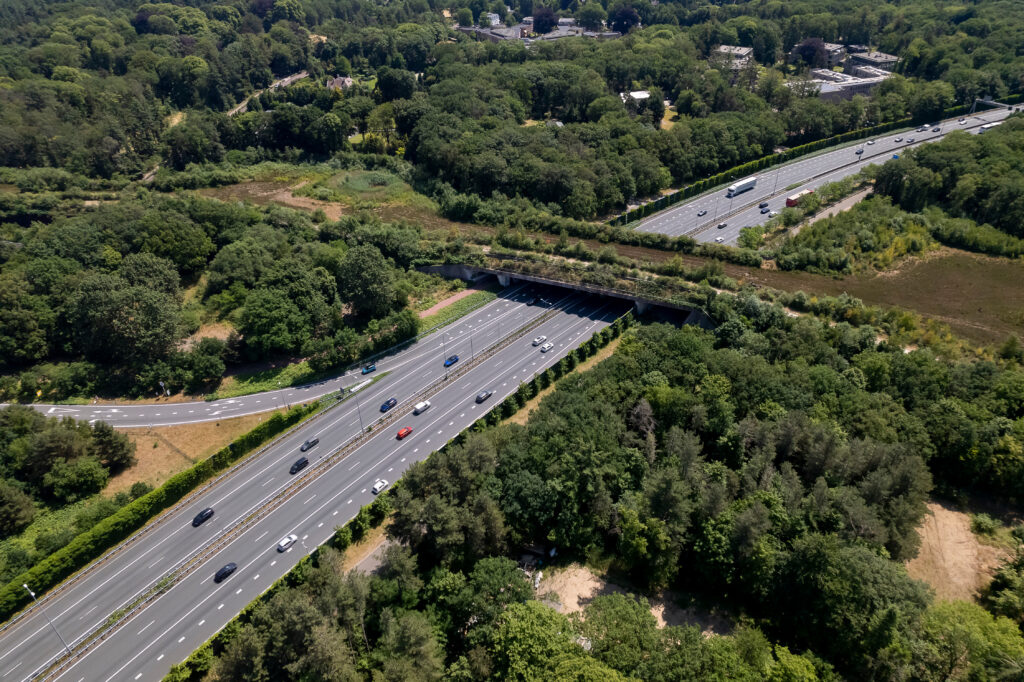
Top photo: Wildlife Crossing Structure Over Highway – Adobe Stock